







Speexx Exchange brings together ideas, evidence and real-world perspectives on workforce capability, leadership, coaching, mentoring, communication, and corporate learning. The Speexx blog turns new thinking and evidence into practical relevance for HR and L&D leaders.

Helping employees learn and grow is a strategic move by L&D that can push a company ahead of its competitors. Here are the questions you need to ask to assess your training needs and to close the skills gap in your organization.
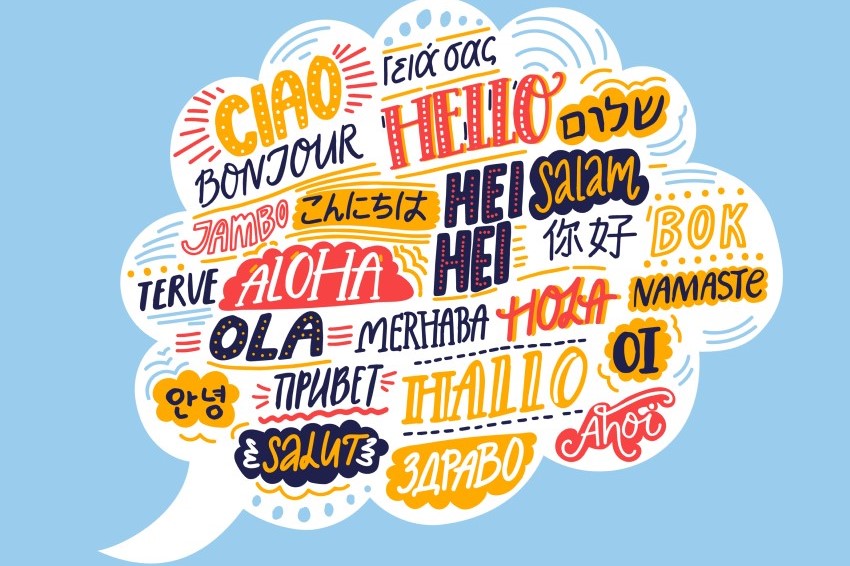
In today’s interconnected global market, multilingualism is vital for companies striving to thrive internationally. It’s no longer merely a competitive advantage but a fundamental necessity for businesses aiming for global success. In this blog post, we delve into the numerous benefits of multilingualism in the workplace and its impact on business growth.

Leave or stay? Whether and when employees ask themselves this question is no longer an easy question for organizations to answer as jobs become hybrid, flexible or even remote, and face-to-face contact decreases. With the increasing variability of jobs, the issue of employee retention is also becoming more complex. What measures can help?

Organizations constantly strive for innovation, growth, and profitability in today’s fast-paced world. However, in the pursuit of these goals, many leaders tend to overlook a critical factor that has a significant impact on business success: diversity and inclusion. Bias can hinder a company’s growth and productivity, limit talent retention and affect morale. Therefore, leaders must adopt an unbiased approach and create an inclusive working environment. But do unbiased leaders even exist? Let’s find out!

Digital leadership is essential as technology, hybrid work, and Gen Z reshape the workplace. Learn how leaders—and HR and L&D—can keep up.

Leadership typically comes with expectations of strength, accountability, and control. Leaders are counted on to navigate any challenge and maintain team morale, even during turbulent times. But the strain, solitude, and burden of the role can become too much, making daily responsibilities feel daunting and unmanageable. This condition is known as leadership burnout.

The move to the hybrid workplace post-pandemic is disrupting how organizations approach coaching, employee development, and performance improvement. Traditional one-size-fits-all coaching programs often fail to meet the individual needs of your employees. With geographical barriers, the reality of remote work, and time constraints often hindering old-style coaching approaches, digital coaching provides a flexible, personalized solution for individuals and teams.

The role of leaders is constantly evolving in hybrid work environments. Leading with emotional intelligence has become an essential skill for leaders to effectively manage their teams at the digital workplace.